Explore the key differences between dye sublimation and screen printing: fabric compatibility, durability, production run costs, and how to choose the right custom printing method for your apparel line or business merch.
When producing custom t-shirts, promotional merchandise, or branded corporate apparel, choosing the right printing technique is essential for balancing visual quality and production costs. In modern garment manufacturing, the two leading methods remain dye sublimation and traditional screen printing.
While both produce striking, retail-ready results, they rely on entirely different physical processes and cost structures. Knowing when to apply each method ensures your products hold up to everyday wear while maximizing your margin.
1. What Is Dye Sublimation Printing?
Sublimation is a digital heat-transfer technique. Specialized water-based dye inks are printed onto transfer paper and applied to fabric using high heat and pneumatic pressure. Under these conditions, the dye transforms directly from a solid into a gas, bonding into the polymer fibers of the garment rather than resting on the surface.
- Zero-Hand Feel: Because the dye penetrates the fibers directly, the printed artwork cannot be felt on the fabric. The garment stays fully breathable and lightweight.
- Photographic Detail & Full-Color Freedom: Ideal for complex artwork, detailed gradients, and photorealistic imagery without color limits or per-color plate fees.
- Fabric Requirement: Requires synthetic fabrics with high polyester content (70% or higher) and works best on white or light-colored garments so colors display accurately.
2. What Is Screen Printing (Silkscreening)?
Screen printing is the time-tested standard of the textile decoration industry. It works by pushing viscous inks (such as plastisol or water-based inks) through mesh stencils mounted on rigid frames, applying each color as a distinct, cured layer directly over the garment.
- Broad Fabric Compatibility: Screen printing adheres reliably to 100% ring-spun cotton, fleece, canvas, polyester blends, and denim.
- Vibrant on Dark Garments: Thanks to opaque white underbases and high-density inks, designs retain vivid saturation even on jet-black or navy t-shirts.
- Setup Costs & Bulk Efficiency: Preparing individual screens introduces initial setup labor, making small orders pricier per piece. However, unit costs decrease significantly as order quantities scale into the dozens or hundreds.
3. Direct Comparison: Sublimation vs. Screen Printing
Keep these production factors in mind when selecting a technique for your next run:
- Order Volume: For short runs (1 to 25 pieces) featuring complex graphics or personalized names/numbers, sublimation provides fast turnarounds with zero screen setup fees. For uniform bulk orders of 50+ units using matching artwork, screen printing delivers superior economies of scale.
- Garment Composition: For athletic jerseys, moisture-wicking activewear, and performance gear, sublimation is unmatched. For heavyweight streetwear tees, hoodies, or industrial work uniforms, screen printing remains the industry benchmark.
- Longevity: Sublimated graphics do not crack, peel, or wash out over time because the dye is infused into the thread. High-quality cured screen prints withstand hundreds of residential laundry cycles, though heavy ink deposits can eventually develop fine surface cracking after prolonged heavy use.
Which Method Fits Your Project?
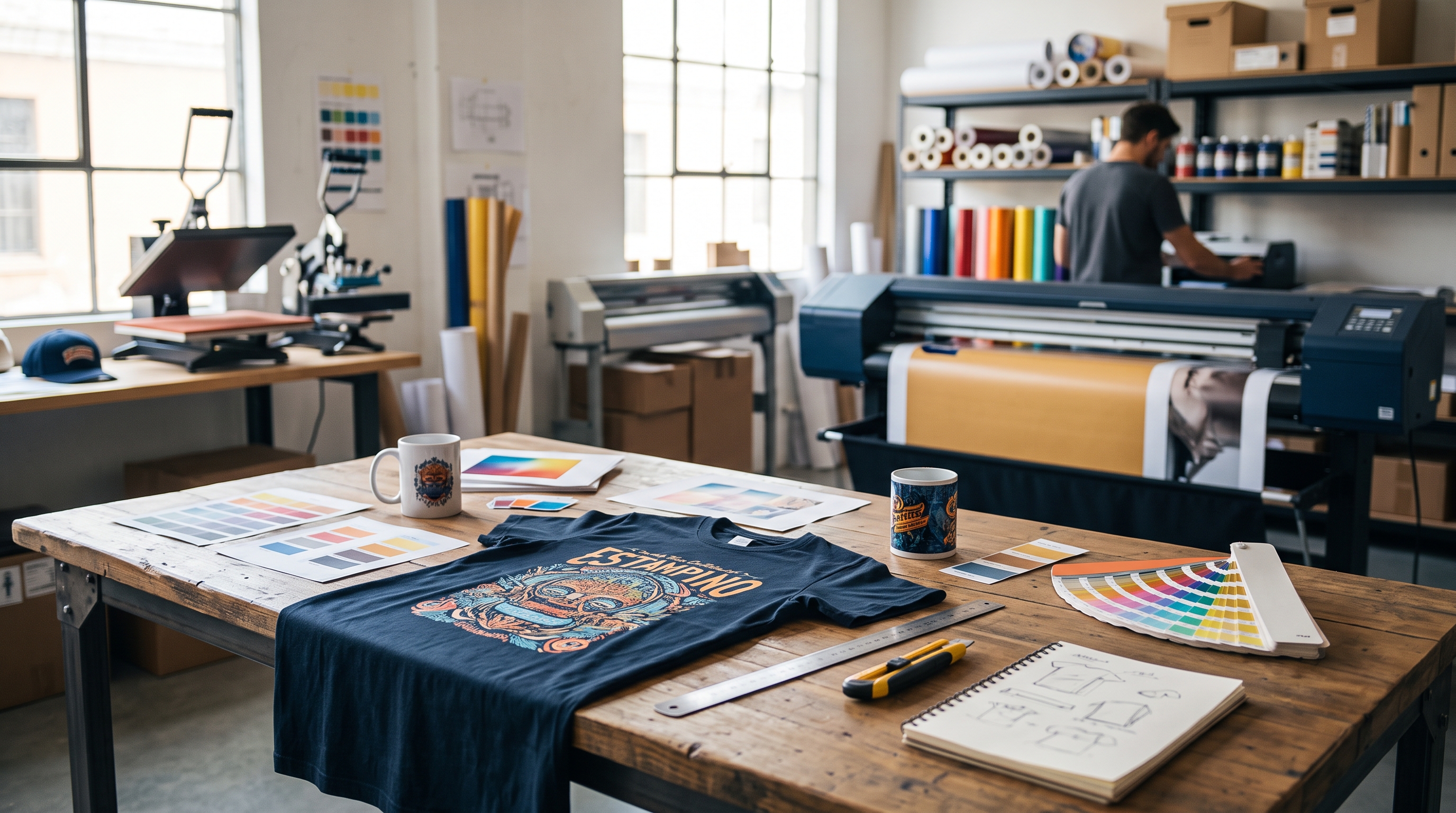
If your project demands all-over coverage, photographic prints, athletic sportswear, or personalized hard goods like coated ceramic mugs, digital sublimation delivers outstanding clarity with low minimums.
If you are launching a cotton apparel line, outfitting a corporate team, or producing large batches of event merchandise, screen printing provides unbeatable unit economics and classic tactile presence.
At Albran Printing, our production team assists you through every step—from vector artwork separation to fabric selection—to ensure clean execution and durable results. Contact us with your project details to request a production quote today.